Guide
Where the Machine Should Actually Go
The same machine on two different walls in the same room is two different outcomes.
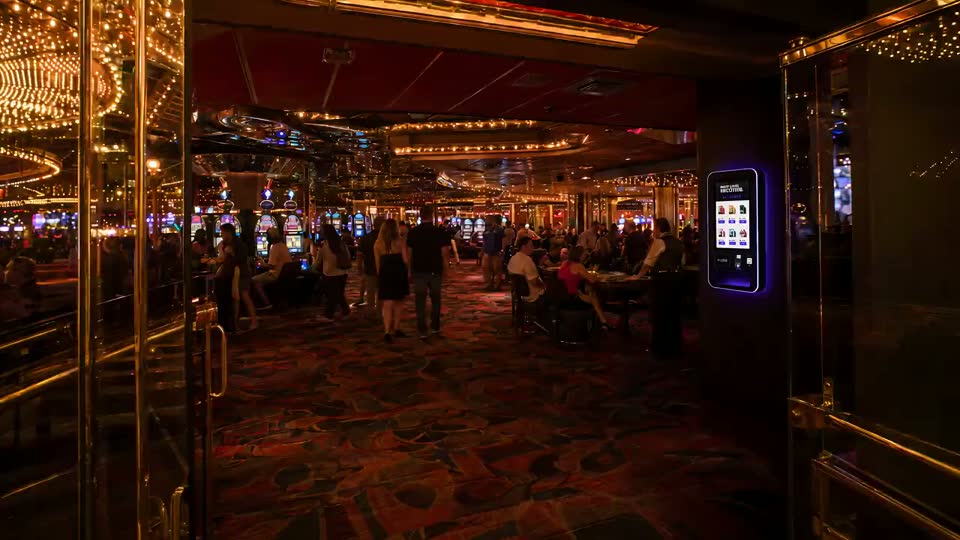
A machine wants to be visible without being in the way: in sight of staff or a camera, out of the service queue and the main circulation path, near somewhere people already pause, within reach of an outlet, and never narrowing an exit route. The spots that fail are usually the ones chosen because they were the emptiest wall.
The five constraints, in priority order
It must not affect an exit route
Non-negotiable, and checked at survey. A machine that narrows a means of escape is in the wrong place whatever else it has going for it.
Visible to staff or a fixed camera
This is the practical answer to damage and to misuse, and it costs nothing to get right at the survey stage.
Out of the service queue
A machine in the bar queue competes with the bar. A machine beside the queue relieves it.
Where people already stop
Restroom approach, smoking-area door, coat check, the end of the bar. Footfall that has already paused is worth more than footfall passing at speed.
Within reach of an outlet
Roughly 50W from a standard outlet, without a lead across a walkway.
By room type
Bars
Beside the ATM or jukebox, or the wall opposite the end of the bar. In sight of whoever is serving, clear of the ordering line.
Bars →Nightclubs
Out of the main circulation path but visible from the floor; lit enough to read the screen in a dark room; in camera view; reachable for restocking without crossing the dance floor.
Nightclubs →Lounges
A transition space — corridor, vestibule, restroom approach — so the unit is out of the room's sightline while staying in a staff member's.
Lounges →Private clubs
Wherever members already pause. Access is recorded, so the constraint is usually aesthetic rather than practical.
Private clubs →
Spots that look obvious and are not
- The smoking area itself, if it is outdoors. The unit is rated 41–104°F and outdoor placement is ruled out in hot and cold climates alike.
- An entry vestibule with a door cycling open onto the weather — same temperature problem, plus it is usually a pinch point.
- A back corridor nobody can see. Out of sight is the condition under which problems happen.
- Directly beside the bar service point, where it competes for the same floor space at the same moment.
- A wall in direct afternoon sun through glass.
What gets decided at survey
Placement is agreed on site rather than from a floor plan, because the things that decide it — sightlines, where people actually stand, what is behind the wall, where the outlet is — are not on a floor plan. If no position in a room works, that is a legitimate outcome and better said before installation. What a survey covers →
Last reviewed . A person rechecks the sources before this date changes.
Common questions
Can it go outside?
No. The unit is rated 41–104°F, which rules out patios, smoking areas and unconditioned vestibules.
Does it need to be near the bar?
It needs to be visible and convenient. Near the bar is often both; in the bar queue is neither.
Who decides the final position?
Agreed between the venue and the operator at the site survey, with the exit route and sightlines as hard constraints.
See whether your venue qualifies
The assessment applies everything on this page to your actual address.