Guide
Why Tribal Land Is a Separate Question Entirely
New Mexico has a lot of tribal land and a lot of venues on it. Assuming state rules govern is the first mistake.
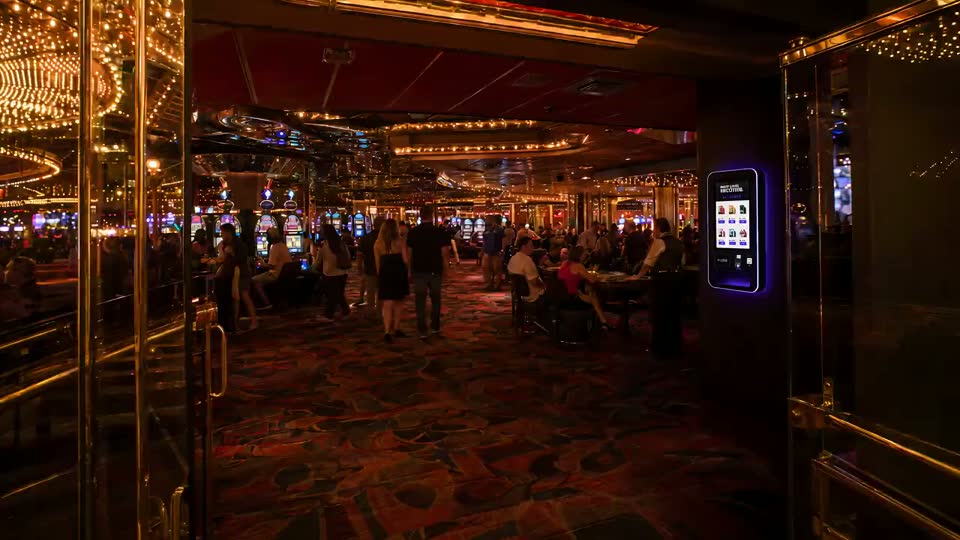
Tribal nations are separate sovereigns. A venue located on tribal land in New Mexico may be subject to tribal law and to a tribal regulatory or gaming authority rather than, or in addition to, the state licensing scheme in the Tobacco Products Act. Which rules apply, who issues any required license, and who enforces it are questions for the tribe's own authority and for counsel. Afterwrk does not treat a tribal venue as a state venue with extra steps, and no operator should.
Why this cannot be answered generically
The New Mexico pages on this site describe a state licensing scheme: a retailer license per location under § 61-37-7, signage under § 61-37-17, inspections under § 61-37-20. That framework is the starting point for a venue subject to state jurisdiction. A venue on tribal land may not be, and the question of which sovereign's rules apply to a given transaction at a given place is genuinely complex — it can turn on the land's status, on who owns and operates the business, and on the specific tribe's own law.
Federal law is the one layer that does not go away: 21 CFR 1140.16(c) restricts the method of sale regardless.
What changes in practice
| Who licenses | Potentially a tribal authority rather than the state division. This is the question to settle first. |
|---|---|
| Who inspects | Section 61-37-20 names state and local authorities. A tribal authority's inspection powers come from tribal law. |
| Gaming properties | A tribal gaming enterprise will also have its own compliance function and its own gaming authority, whose approval is a separate matter from any tobacco question. |
| Property policy | Independent of all of the above, and able to say no on its own. |
The order to do this in
Establish the land status and the operating entity
Before any discussion of machines. This determines everything downstream.
Go to the tribe's own regulatory authority
Not to the state division, and not to a vending operator.
Treat the gaming authority as a separate approval
Where the venue is part of a gaming enterprise.
Get counsel who works in this area
Not general commercial counsel.
What Afterwrk will and will not do
We will not tell a venue on tribal land that the state framework applies to it, because we do not know that and it may well not. What we can do is be clear about what we are: an operator that owns the machine and the stock and can hold operator-side licensing where the applicable rules allow it — with “applicable rules” doing real work in that sentence for a tribal venue.
If you operate a venue on tribal land and want to explore this, the useful first conversation is with your own compliance people, not with us. When you have established who licenses what, we can have a concrete discussion. How we approach gaming properties →
Last reviewed . A person rechecks the sources before this date changes.
Common questions
Does the New Mexico Tobacco Products Act apply on tribal land?
That is precisely the question that cannot be answered generically. It depends on land status, the operating entity and the tribe's own law, and it needs counsel.
Does the federal vending rule still apply?
21 CFR 1140.16(c) restricts the method of sale, and a venue should assume it is in scope.
Will Afterwrk place a machine on tribal land?
Only after the licensing and jurisdiction questions have a clear answer from the right authority. We will not assume the state framework covers it.
See whether your venue qualifies
The assessment applies everything on this page to your actual address.