Guide
Installation Requirements
Four physical requirements, and the one that moves placements most often is connectivity.
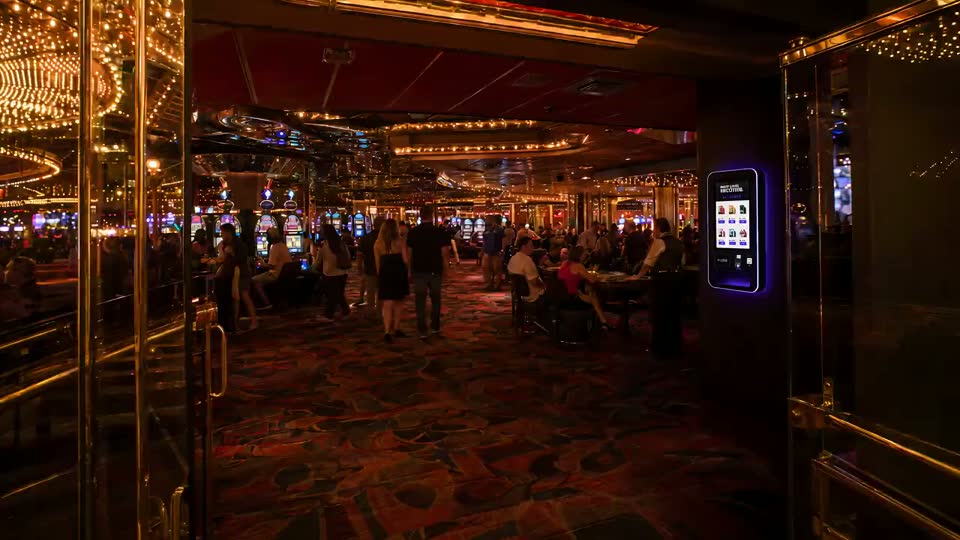
About two feet of wall — 23.6 in by 40.5 in, projecting 10.2 in — with studs or masonry behind it, a standard 110V outlet within reach, and a data connection. Wi-Fi, Ethernet and 2G/4G cellular are all supported, so connectivity is rarely the blocker people expect.
| Wall | 23.6 in wide by 40.5 in high, anchored to studs or masonry on a preinstalled bracket. A freestanding pedestal is available where no suitable wall exists. |
|---|---|
| Projection | 10.2 in from the wall. |
| Weight | 189 lb, which is why the anchor points matter more than the wall finish. |
| Power | 110V AC, 60Hz, roughly 50W at 0.5–0.6A — a standard outlet, no dedicated circuit. |
| Data | Wi-Fi, Ethernet or 2G/4G cellular. Any one of the three is enough. |
| Temperature | 41–104°F ambient. |
| Clearance | Room for a guest to stand and use it without blocking circulation or an exit. |
| Service access | A route for restocking that does not cross the floor mid-service. |
Connectivity is less of a problem than venues expect
The usual worry is that a machine on the far wall of a basement room with 400 phones in it will not hold Wi-Fi. It does not have to: cellular is built in, so the machine reports stock and faults over 2G/4G if the venue network is unreliable. Ethernet is there too where a run already exists.
What it does not need
- Plumbing.
- A dedicated circuit — 50W runs happily on a shared one.
- Structural work beyond anchoring to studs or masonry.
- Staff time during service.
- Climate control, within any normal indoor range.
Last reviewed . A person rechecks the sources before this date changes.
Common questions
Does it need its own circuit?
In most cases no, but this is confirmed at survey against the actual unit and the venue's existing load.
See whether your venue qualifies
The assessment applies everything on this page to your actual address.